
Essential Building Materials for Construction
- easternbuildingsup
- Jan 12
- 4 min read
When starting any construction project, choosing the right materials is crucial. The quality, durability, and suitability of these materials directly affect the strength and longevity of the structure. Whether you are building a home, office, or any other structure, understanding the essential building materials can help you make informed decisions and ensure a successful project.
Understanding Essential Building Materials
Construction relies on a variety of materials, each serving a specific purpose. Some materials provide structural support, while others offer insulation, protection, or aesthetic appeal. Here are some of the most common essential building materials used in construction:
Concrete: A mixture of cement, sand, gravel, and water, concrete is one of the most widely used materials. It is strong, durable, and versatile, suitable for foundations, walls, floors, and more.
Steel: Known for its high tensile strength, steel is often used in frameworks, reinforcements, and roofing. It provides flexibility and resistance to extreme weather conditions.
Wood: A traditional building material, wood is favored for its natural beauty and ease of use. It is commonly used in framing, flooring, and furniture.
Bricks: Made from clay or concrete, bricks are durable and provide excellent insulation. They are often used for walls and facades.
Glass: Used for windows and facades, glass allows natural light to enter buildings while providing insulation and aesthetic value.
Each of these materials has unique properties that make them suitable for different parts of a construction project. Selecting the right combination depends on the design, budget, and environmental conditions.

Key Essential Building Materials and Their Uses
Cement and Concrete
Cement is a binding agent that, when mixed with water, sand, and aggregates, forms concrete. Concrete is essential for creating strong foundations, floors, and walls. It is fire-resistant and can withstand heavy loads, making it ideal for both residential and commercial buildings.
Tips for using concrete:
Use high-quality cement to ensure strength.
Properly cure concrete to prevent cracks.
Reinforce concrete with steel bars for added durability.
Steel
Steel is indispensable in modern construction due to its strength and flexibility. It is used in beams, columns, and reinforcements. Steel structures can be prefabricated, reducing construction time and waste.
Advantages of steel:
Resistant to pests and fire.
Can be recycled, making it environmentally friendly.
Allows for taller and more complex structures.
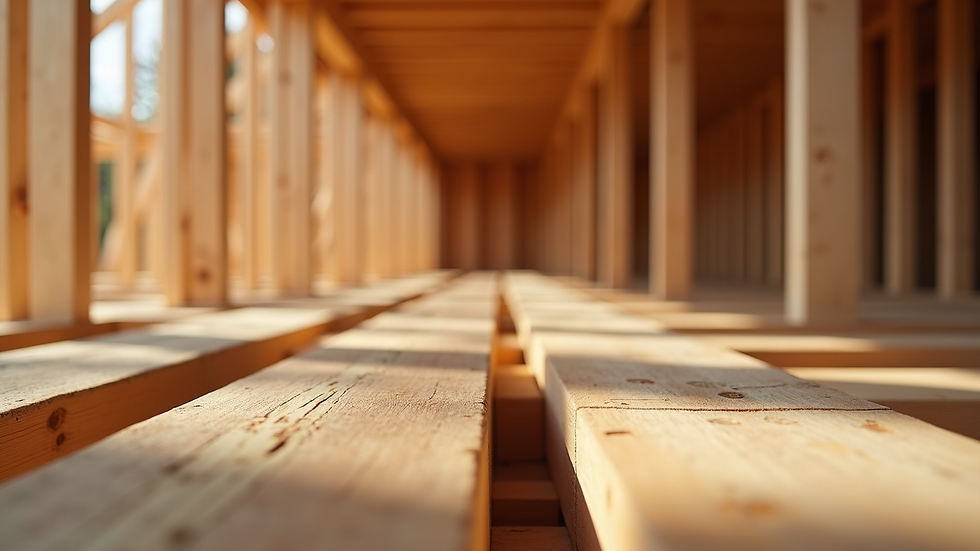
Wood
Wood is a renewable resource and offers excellent insulation properties. It is easy to work with and provides a warm, natural aesthetic. However, wood requires treatment to resist termites and moisture.
Wood usage recommendations:
Use treated wood for outdoor applications.
Choose hardwoods for flooring and furniture.
Regularly maintain wooden structures to extend lifespan.
Bricks and Blocks
Bricks and concrete blocks are fundamental for building walls and partitions. They provide thermal mass, helping regulate indoor temperatures. Bricks are also fire-resistant and low maintenance.
Construction tips:
Use mortar with the right consistency for strong bonding.
Ensure bricks are properly aligned to avoid structural weaknesses.
Consider insulated blocks for better energy efficiency.
Glass
Glass is essential for windows, doors, and facades. Modern glass options include double glazing and tempered glass, which improve insulation and safety.
Glass installation advice:
Use energy-efficient glass to reduce heating and cooling costs.
Ensure proper sealing to prevent leaks.
Choose tempered or laminated glass for safety in high-traffic areas.
How to Choose the Right Materials for Your Project
Selecting the right materials depends on several factors:
Project Type - Residential, commercial, or industrial projects have different requirements.
Climate - Materials should withstand local weather conditions.
Budget - Balance cost with quality and durability.
Sustainability - Consider eco-friendly options to reduce environmental impact.
Aesthetic Preferences - Materials should complement the design vision.
Consulting with architects and engineers can help identify the best materials for your specific needs. Additionally, sourcing materials from reputable suppliers ensures quality and compliance with building standards.
Practical Tips for Working with Building Materials
Storage: Store materials properly to prevent damage. For example, keep wood dry and concrete covered.
Handling: Use appropriate tools and safety gear when handling heavy or hazardous materials.
Waste Management: Plan for recycling and disposal of leftover materials to minimize environmental impact.
Quality Checks: Inspect materials upon delivery to avoid using substandard products.
Using the right techniques and precautions can save time and money while improving the overall quality of your construction.
Future Trends in Building Materials
The construction industry is evolving with new materials that offer better performance and sustainability. Some emerging trends include:
Green Building Materials: Materials made from recycled or renewable resources.
Smart Materials: Materials that can adapt to environmental changes, such as self-healing concrete.
Lightweight Composites: Strong yet lightweight materials that reduce structural load.
3D Printed Materials: Customized materials created through 3D printing technology for faster construction.
Staying informed about these innovations can help builders and developers stay competitive and environmentally responsible.
Choosing the right essential building materials is a foundational step in any construction project. By understanding the properties, uses, and best practices for materials like concrete, steel, wood, bricks, and glass, you can ensure your structure is safe, durable, and efficient. For more detailed information on building materials, explore trusted resources and consult with industry professionals to make the best choices for your next project.


Comments