
Essential Tools and Materials Every Construction Project Needs
- easternbuildingsup
- Jul 22, 2025
- 4 min read
When embarking on a construction project, whether it's a simple home renovation or a large-scale commercial build, having the right tools and materials is crucial. Selecting the appropriate items not only ensures efficiency but also enhances safety and the quality of the end result. In this comprehensive guide, we will delve into the various tools and materials that every construction site must have.
Key Construction Supplies
Every construction project requires specific supplies that form the foundation of successful work. Understanding what tools and materials you need can save time and reduce costs. Let’s explore the essential supplies that should be on your list.
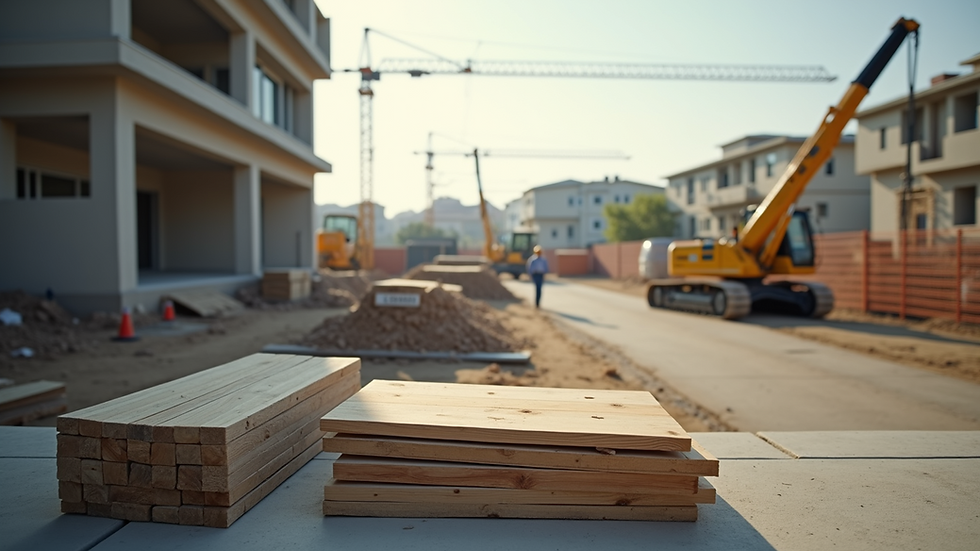
Essential items include lumber, concrete, steel, and various fasteners. Each of these materials plays a distinct role in a construction project.
Lumber: Often used for framing, trusses, and flooring, lumber is a must-have. It's available in various sizes and types, including softwoods like pine and hardwoods like oak. Depending on your project, you might need treated wood for outdoor use to resist rot and pests.
Concrete: Concrete is fundamental for creating strong foundations, driveways, and sidewalks. It typically comes in bags for small jobs but is often mixed on-site for larger projects.
Steel: Used for structural purposes, steel supports the integrity of a building. It's particularly important in commercial construction where load-bearing capabilities are critical.
Fasteners: Screws, nails, and bolts might seem minor compared to lumber or steel, but they are essential for holding everything together safely.
Construction Tools for Every Site
Having the right tools can make or break a project. They affect not only the quality of the work but also the efficiency of the process. Here are some essential tools every construction project needs.

Power Tools: These include drills, saws, and nail guns. Power tools significantly speed up construction tasks. For example, a power drill provides greater efficiency when creating holes compared to a hand drill.
Hand Tools: Basic hand tools include hammers, wrenches, screwdrivers, and pliers. They are essential for everyday tasks and repairs. Hand tools are inexpensive and easy to handle.
Measuring and Leveling Tools: Accurate measurements are vital in construction. Tools like measuring tapes, squares, and levels ensure everything is built straight and true. A laser level can also add precision during installation.
Safety Gear: Always prioritize safety with hard hats, gloves, goggles, and steel-toed boots. These items protect workers from injuries on-site. Statistics show that proper safety gear reduces the risk of workplace accidents significantly.
Materials for Finishing Touches
Once the structure is complete, you'll need finishing materials to enhance the aesthetic and functional qualities of the build. Here’s a look at some common finishing materials:
Drywall: Used for interior walls, drywall is easy to install and provides a smooth surface for painting and decoration.
Paint: Paint can dramatically improve the visual appeal. It's available in various finishes and colors. Consider eco-friendly options that reduce volatile organic compounds (VOCs).
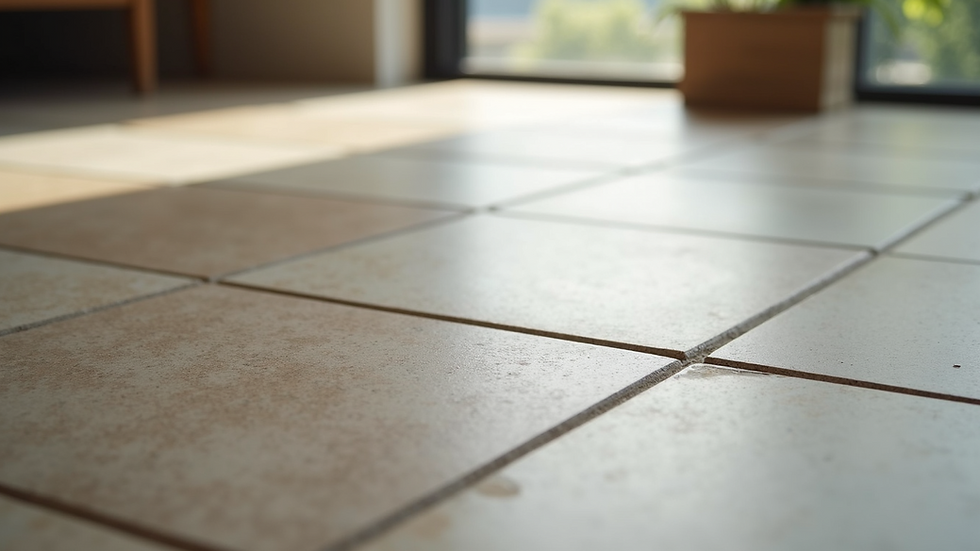
Flooring: Choosing the right flooring is essential not only for appearance but also for durability and maintenance. Options include hardwood, laminate, tile, and vinyl, each with its advantages.
Insulation: Proper insulation improves energy efficiency and comfort. Products vary from fiberglass batts to spray foam, so choose based on your climate and project specifications.
Organizing Your Construction Site
An organized construction site is critical for productivity. Not only does it enhance efficiency, but it also minimizes the risk of accidents. Here are some tips for organizing your site effectively:
Designated Areas: Allocate specific areas on-site for materials, tools, waste, and work zones. Clearly marking these areas improves workflow and safety.
Regular Clean-Up: Establish a routine for cleaning up debris and unused materials. A clean site not only looks professional but also reduces hazards.
Tool Management: Invest in tool storage solutions such as toolboxes or racks. Keep frequently used tools within reach while storing less common tools safely.
Signage: Use clear signage to communicate hazards, directions, and important information to workers and visitors to the site.
Finding the Right Suppliers
Locating reliable suppliers for your construction materials and tools is key to the success of your project. Many online resources can help you find a nearby construction supply store. If you're searching for a construction supply store near me, look for businesses with positive reviews and a solid reputation. Consider suppliers that offer a wide range of products and good customer service.
Summary of Key Resources
In summary, here are the essential tools and materials every construction project needs:
Construction Supplies: Lumber, concrete, steel, and fasteners.
Construction Tools: Power tools, hand tools, measuring and leveling tools, and safety gear.
Finishing Materials: Drywall, paint, flooring, and insulation.
Site Organization: Designated areas, regular clean-up, tool management, and signage.
By ensuring you have the right supplies and tools, staying organized, and working with trusted suppliers, you can significantly enhance the efficiency and success of your construction projects. Make a checklist based on this guide to ensure you have everything you need before starting your next construction endeavor. With the right preparation, your project can be smooth and successful, leading to amazing results that meet your vision and quality standards.


Comments