
How to Choose the Right Building Supplies for Your Project
- easternbuildingsup
- Jul 16, 2025
- 4 min read
Choosing the right building supplies for your project is crucial for ensuring durability, safety, and quality. Whether you are a DIY enthusiast or a seasoned contractor, the abundance of options can be overwhelming. This guide will provide you with practical insights to confidently select the best materials for your needs, taking your project from concept to completion.
Understanding Building Supplies
Building supplies refer to the materials used in construction, renovation, or repair. They include everything from concrete and lumber to insulation and screws. It’s essential to understand the basics of these materials to make informed decisions.
When selecting building supplies, consider the following factors:
Project Requirements: Different projects require different materials. For example, residential construction might prioritize aesthetics, while commercial projects may focus more on durability.
Local Climate: The environment plays a significant role in material selection. Materials that withstand moisture, wind, or extreme temperatures might be necessary based on your location.
Regulations and Codes: Ensure the materials you choose comply with local building codes. This can affect everything from safety to insurance.
Researching Building Supplies
Before purchasing any materials, it's essential to conduct thorough research. Familiarize yourself with the various types of building supplies available and their respective properties.
Types of Building Supplies
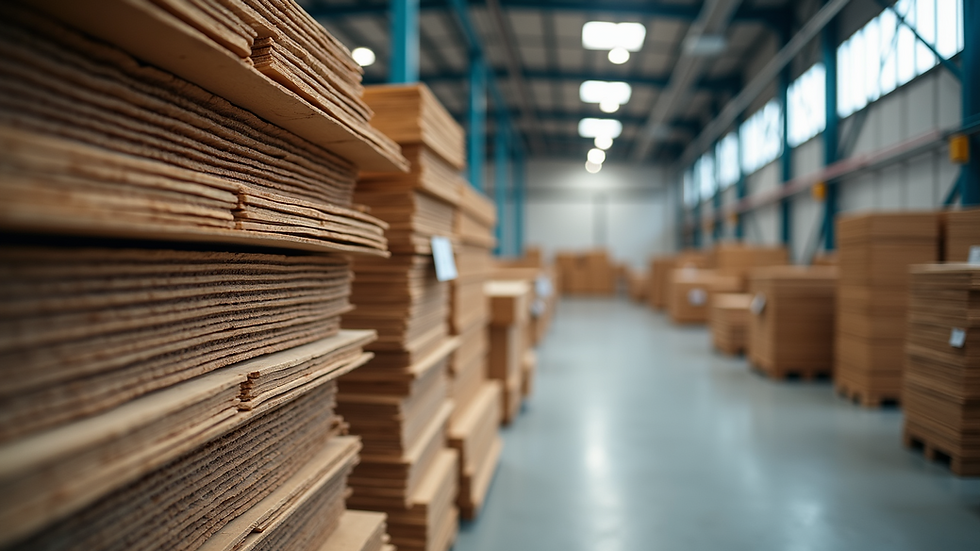
Lumber: Available in various species, grades, and sizes, lumber is used for framing, flooring, and furniture. For instance, pressure-treated wood is ideal for outdoor projects because of its resistance to rot.
Concrete: Versatile and durable, concrete can be used for foundations, driveways, and pathways. Choosing the right mix is crucial for your project's success.
Steel: Known for its strength, steel is often used in commercial construction. Understanding the different types of steel and their applications can help you decide what is appropriate for your needs.
Insulation: Alongside thermal efficiency, insulation materials like fiberglass, foam, and cellulose have different properties that can affect energy consumption in buildings.
Flooring Materials: Whether you prefer hardwood, vinyl, or tile, each option has its own advantages and maintenance needs that align with the specific requirements of your project.
Where to Find Reliable Sources
To find quality building supplies, it’s essential to identify trustworthy suppliers. Here are a few tips:
Referrals: Ask friends or colleagues for recommendations on suppliers they have worked with.
Online Searches: Utilize keywords like “building supplies near me” to find local suppliers. You can check websites and social media pages for customer reviews and feedback.
Trade Shows: Attend construction trade shows to meet suppliers and learn about the latest products and innovations.

Evaluating Quality and Cost
Selecting high-quality building supplies is essential for the longevity of your project. However, quality materials often come with a higher price tag. This section will help you understand how to balance quality and cost.
Quality Assessment
Certifications: Look for materials that meet industry standards and certifications. For example, lumber should ideally have a stamp indicating it is graded and treated.
Warranties: Reliable suppliers often provide warranties on their materials. Be sure to ask about this and understand what is covered.
Supplier Reputation: Research your potential suppliers. Read reviews and ask for references to ensure they provide high-quality materials consistently.
Cost-effective Options
Bulk Purchases: Consider buying materials in bulk to save money. Many suppliers offer discounts for larger orders.
Second-hand Materials: Look for salvage yards that sell reclaimed materials at reduced prices. Just make sure they are still in usable condition.
Seasonal Sales: Many suppliers have sales during certain times of the year. Keeping an eye on these can help you save money on your purchase.

Creating a Material List
A well-organized material list can streamline your purchasing process. Keep track of quantities, costs, and specifications to avoid last-minute scrambles at the store.
Steps to Create a Material List
Plan Your Project: Start with a detailed project plan that outlines all necessary materials. Knowing your project scope will help you gauge how much of each material you need.
Categorize Materials: Organize your list into categories. This can include concrete, lumber, fasteners, and finishing materials. A categorized list can save time during your shopping spree.
Get Quotes: Once your list is ready, contact multiple suppliers for quotes. This will give you insights into current market prices.
Making the Final Decision
With research, evaluation, and planning completed, it’s time to make your purchasing decisions. Here are some final tips:
Local Availability: Review suppliers and products based on their availability. If you're building in a specific timeline, it’s a good practice to choose suppliers with readily available stock.
Negotiate Pricing: Don’t hesitate to negotiate prices with suppliers, especially if you’re making a bulk purchase.
Stay Flexible: If you find certain materials that fit your criteria but have minor differences from your original plan, remain open to alternatives. Often, a more readily available or cost-effective material can serve your project's needs just as well.
Choosing the right building supplies doesn’t have to be a daunting task. By following these steps and ensuring you have all the necessary information, you will find the materials that best fit your project. The success of your construction or renovation depends heavily on the quality and suitability of the supplies you use.
In the end, ensuring that you are well-informed about the materials needed for your project is key to its success. Happy building!


Comments