
How to Choose the Right Materials for Your Construction Needs
- easternbuildingsup
- May 24, 2025
- 4 min read
Choosing the right materials for your construction needs can be challenging, but it is essential for the success of your project. Whether you’re building a new home, renovating an existing structure, or simply upgrading elements within your space, selecting appropriate materials can impact durability, cost, and aesthetics. This guide will walk you through the process of choosing materials and the factors to consider.
Understanding Construction Supplies
Construction supplies are the building blocks of any project. They encompass a wide array of materials, including wood, concrete, metal, and insulation. Each of these materials has unique properties, advantages, and drawbacks.
Selecting the Right Material
When choosing materials, consider the following factors:
Purpose of the Construction: What are you building? A residential home, commercial property, or outdoor structure? Different constructions require different materials.
Climate Conditions: Materials react differently to various weather conditions. For instance, wood may warp in humid environments, while certain metals can rust in coastal areas.
Building Codes and Regulations: Always check local regulations regarding construction materials. Some materials may not be permitted for specific applications.
Budget Constraints: Each material comes at a different cost. It is vital to balance quality with your budget. Research various suppliers to find quality products at competitive prices.
Sustainability Concerns: Many homeowners prefer sustainable options. Research eco-friendly materials that can reduce your carbon footprint.

Types of Materials to Consider
Wood
Wood is one of the most versatile materials used in construction. It's suitable for framing, flooring, and cabinetry. When selecting wood, consider the type:
Softwood: Generally used for structural applications. Examples include pine and fir.
Hardwood: Used for finishes and furniture. Examples include oak and maple.
Concrete
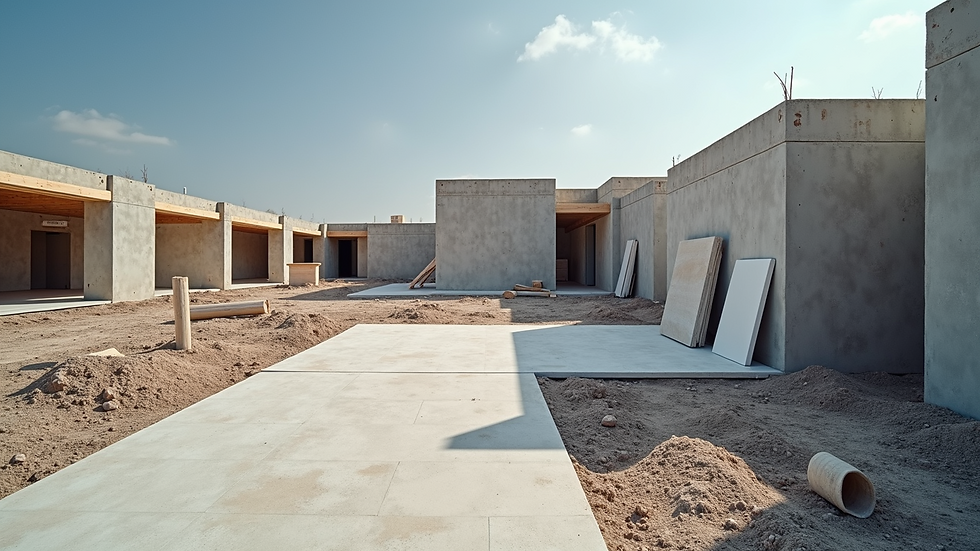
Concrete is a strong, durable material often used for foundations, sidewalks, and driveways. It can withstand heavy loads and is resistant to weather conditions. Look for pre-mixed options that require less time to install.

Steel
Steel is a popular choice for commercial buildings and structures that require strength. It’s fire-resistant and can be recycled, making it an eco-friendly option. However, it can be more expensive than other materials.
Insulation Materials
Selecting the right insulation is crucial for energy efficiency. Consider options like:
Fiberglass Insulation: Cost-effective and widely available.
Spray Foam Insulation: Excellent for sealing gaps and improving insulation.
Brick and Stone
For timeless aesthetics, brick and stone are admirable selections. They offer durability and require little maintenance. Use them for exterior walls or landscaping.
What is White Cap LP?
White Cap LP is a retailer specializing in construction and industrial supplies. They offer a wide selection of materials including tools, safety products, and equipment necessary for various construction projects. When choosing materials from a specialized supplier, you gain access to knowledgeable staff who can help guide you in selecting the best products for your needs.

Tips for Purchasing Construction Supplies
Research Suppliers: When looking for materials, research local suppliers. If you search for a "construction supply store near me," ensure they carry quality brands.
Sample Before Buying: Always request samples of materials, especially for flooring, tiles, or paints, to see how they will look in your project.
Seek Professional Advice: Don’t hesitate to consult with architects or contractors to choose the best materials for your specific needs.
Purchase in Bulk: If you’re managing a large project, it can be more cost-effective to buy materials in bulk.
Consider Delivery Options: Ensure your chosen supplier offers delivery services, especially for large or heavy items.
Evaluating Material Properties
Understanding the physical properties of materials can also influence your choice. Here are some properties to consider:
Durability
Choosing durable materials can save you money in the long run. Materials like steel and brick generally last longer than wood or drywall.
Maintenance Requirements
Different materials require varying levels of maintenance. Simple materials are easier to maintain and are typically the best choice for residential renovations.
Aesthetic Appeal
Materials should match your project's style and design. Research combinations of materials that provide both function and beauty.
Safety Standards and Regulations
Always consider safety standards and codes when selecting materials. Non-compliance can lead to potential hazards and legal issues. Check the following:
Local Building Codes: Ensure your materials meet local regulations.
Fire Ratings: Some materials come with specific fire ratings—understand how these apply to your build.
Environmental Guidelines: Consider how your choices impact the environment.
Final Thoughts
Selecting the right materials for your construction project is critical to its success. Take your time to research and evaluate your options based on your needs, budget, and project type. Safety, durability, and aesthetic appeal are paramount in your decision-making process.
Additionally, always keep sustainability in mind when making your selections. As the demand for eco-friendly construction practices grows, utilizing sustainable materials can provide you with long-term benefits. Your chosen materials will significantly influence the overall quality, longevity, and value of your construction.
By following this guide, you'll be better equipped to make informed choices about materials, ensuring your project meets your expectations and requirements. Whether you are a seasoned builder or a novice, proper material selection is key to success in any construction venture.


Comments